

































































































































































































































































NBA · Matchups
NBA pace explained: who sets the tempo?
Who gets to set the tempo?
A transition attack meets a half-court opponent in this illustrative basketball study.
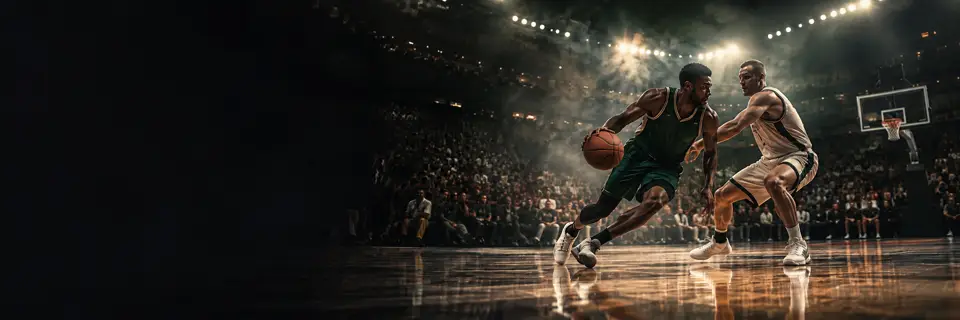
Picture one team looking to run and another trying to turn every possession into a half-court decision. “Fast versus slow” is the opening question, not the conclusion. Pace depends on possession changes, shot selection, turnovers and rebounding. One team’s season average does not dictate the night.
For the transition side, live-ball turnovers and clean defensive rebounds create the best running opportunities. If the opponent protects the ball and gets back, the attack needs a second plan. Watch spacing, screen actions and whether the primary creator can produce quality attempts against a set defense.
For the half-court side, patience must still lead somewhere. Late-clock contested shots are not a successful tempo strategy. Offensive rebounding creates second chances but can expose a team going the other way. The tradeoff depends on personnel rather than a universal instruction to crash or retreat.
Confirm the rotation before turning this into a real matchup view. Missing ball handlers or rim protectors can alter both style and efficiency. A shooting burst over a few possessions is not proof that the underlying matchup analysis was correct; examine shot quality and repeated opportunities.
Field notes
- Separate pace from offensive efficiency.
- Watch turnovers, defensive rebounds and transition defense.
- Recheck rotation assumptions when availability changes.